The Immigrant's Retirement Challenge: Planning for Three Generations
⚠️ Disclaimer: This article is for educational and informational purposes only. It does not constitute financial, investment, tax, or retirement planning advice. Individual circumstances vary significantly. Always consult with qualified financial advisors, tax professionals, and retirement planners before making investment decisions. The author and Duti.co are not responsible for any actions taken based on this information.
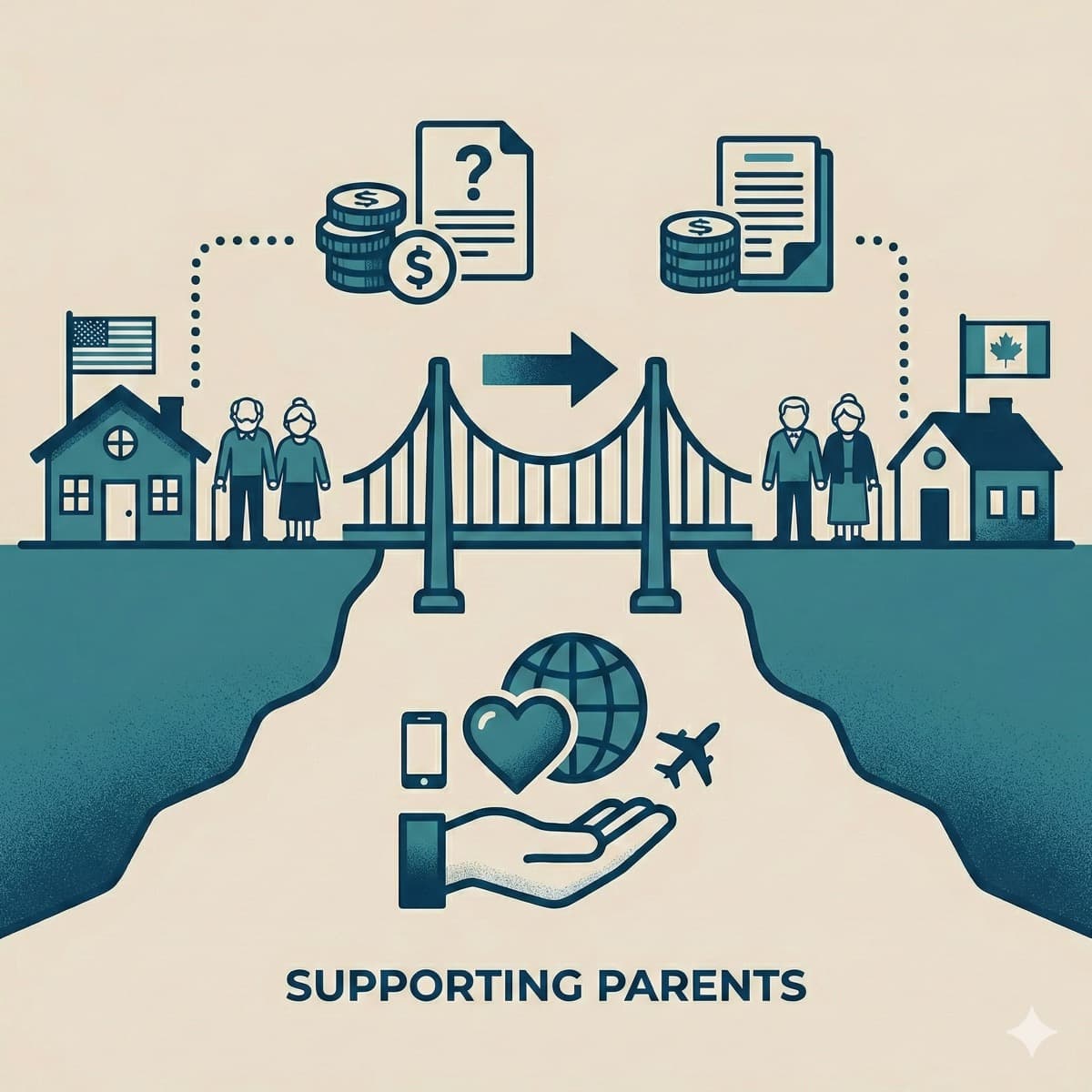
You're in your 30s or 40s, sending money to aging parents in the Himalayas, raising kids in America, and somehow supposed to save for your own retirement. It feels impossible. But here's the truth: you cannot afford NOT to save for retirement. This guide shows you how to balance all three generations without sacrificing your financial future.
🎯 The Triple Challenge Unique to Immigrants
Why This Matters More for Immigrants
What You're Balancing
- • Parents abroad with no retirement savings
- • Your kids' college education (can't use retirement funds)
- • Your own retirement (no family to fall back on)
- • Started career later due to immigration
- • May work lower-paying jobs initially
Why You MUST Save Anyway
- • Social Security alone = poverty-level income
- • Healthcare costs skyrocket after 65
- • Can't burden your children like you support parents
- • Compound interest needs TIME to work
- • No safety net if you don't prepare
💰 Understanding Retirement Accounts: The Basics
🏢 401(k) - Employer Plan
- ✓ 2025 Limit: $23,000/year ($30,500 if 50+)
- ✓ Employer match: Free money (prioritize this!)
- ✓ Tax benefit: Reduces taxable income now
- ✓ Withdrawals: Taxed in retirement
Contribute 6%: $3,000/year
Employer matches 3%: $1,500 FREE
Total saved: $4,500/year
💚 IRA - Individual Account
- ✓ 2025 Limit: $7,000/year ($8,000 if 50+)
- ✓ Traditional: Tax deduction now, taxed later
- ✓ Roth: No deduction now, tax-free later
- ✓ Best for: No 401(k) or maxing it out
If over $75k/year: Traditional IRA
Tax-free growth is powerful!
📊 The Power of Starting NOW vs. Waiting
Real Math: Why Every Year Counts
| Start Age | Monthly Contribution | Years Investing | Age 65 Balance |
|---|---|---|---|
| 25 | $300/month | 40 years | $878,570 |
| 35 | $300/month | 30 years | $367,490 |
| 45 | $300/month | 20 years | $147,910 |
| 55 | $300/month | 10 years | $51,250 |
🎯 Your Action Plan: The Immigrant's Retirement Strategy
Phase 1: Emergency Start (Even if just $25/month)
Minimum Viable Retirement Plan
Employer adds another $1,200 FREE = $2,400 total saved
Phase 2: Balanced Growth (10-15% of income)
- → Get to employer match minimum
- → Build $1,000 emergency fund
- → Learn about investment options
- Target: 3-5% of income
- → Increase to 10% total contribution
- → Open Roth IRA if income allows
- → Review and rebalance annually
- Target: 10% of income
- → Aim for 15% total savings rate
- → Max out employer match
- → Consider maxing IRA ($7,000/year)
- Target: 15% of income
💪 Balancing Act: Sample Budgets
Three Real-World Examples
Take-home: ~$2,400/month
- • Needs: $1,200 (50%)
- • Retirement: $120 (5%)
- • Parent support: $240 (10%)
- • Savings: $240 (10%)
- • Wants: $600 (25%)
Take-home: ~$3,900/month
- • Needs: $1,950 (50%)
- • Retirement: $585 (15%)
- • Parent support: $390 (10%)
- • College savings: $195 (5%)
- • Wants: $780 (20%)
Take-home: ~$5,850/month
- • Needs: $2,925 (50%)
- • Retirement: $1,170 (20%)
- • Parent support: $585 (10%)
- • College savings: $293 (5%)
- • Wants: $877 (15%)
🎓 Retirement vs. Kids' College: The Hard Truth
✅ Retirement First Because:
- • You can borrow for college, NOT for retirement
- • Kids can get scholarships, grants, work-study
- • Community college → state school saves thousands
- • Your poverty in old age burdens your kids MORE
- • Social Security alone = ~$1,800/month (poverty)
💡 Smart College Strategy:
- • Prioritize 15% retirement FIRST
- • Then 5-10% for 529 college savings
- • In-state public universities (60% cheaper)
- • 2 years community college saves $40k+
- • Work-study, scholarships, part-time jobs
📱 Simple Investment Strategy for Beginners
The "Set It and Forget It" Approach
- • You're 35 years old, plan to retire at 65 (year 2055)
- • Choose: "Vanguard Target Retirement 2055 Fund"
- • It starts 90% stocks, 10% bonds (aggressive)
- • Automatically shifts to 60% stocks, 40% bonds by 2055
- • You do NOTHING except contribute monthly
Available at: Vanguard, Fidelity, Schwab in any 401(k) or IRA
🚨 Common Mistakes to Avoid
❌ Mistake #1: "I'll start saving when I'm earning more"
❌ Mistake #2: Cashing out 401(k) when changing jobs
❌ Mistake #3: Being too conservative (all bonds/cash)
❌ Mistake #4: Not increasing contributions with raises
🎯 Your 90-Day Action Plan
Start Your Retirement Journey Today
Week 1-2: Check if employer offers 401(k). Find out match percentage. Sign up or increase contribution to get full match.
Week 3-4: If no 401(k), open Roth IRA at Vanguard/Fidelity/Schwab. Choose target-date fund. Set up $50-100/month automatic transfer.
Week 5-8: Review budget. Find $100-200/month to redirect to retirement. Cancel unused subscriptions, reduce one discretionary expense.
Week 9-12: Set calendar reminder for annual review. Commit to increasing contribution 1% every January.
💚 Final Thoughts: Breaking the Cycle
You're in a unique position: you support your parents because they couldn't save for retirement in their country. Don't let that become your children's burden.
The Cycle Breaker's Mindset:
🌟 Your parents sacrificed so you could have opportunities
🌟 You honor them by supporting them within sustainable limits
🌟 You also honor them by NOT becoming a burden to your own children
🌟 Saving for retirement is how you break the cycle of financial insecurity
The best time to start saving for retirement was 10 years ago. The second best time is today.
What's your biggest challenge with retirement planning? Share in the comments -- your story might help others facing the same struggle.
Related Reading
Explore more articles that complement this topic:
- Supporting Aging Parents Across Two Countries -- Navigate the financial challenges of caring for parents abroad.
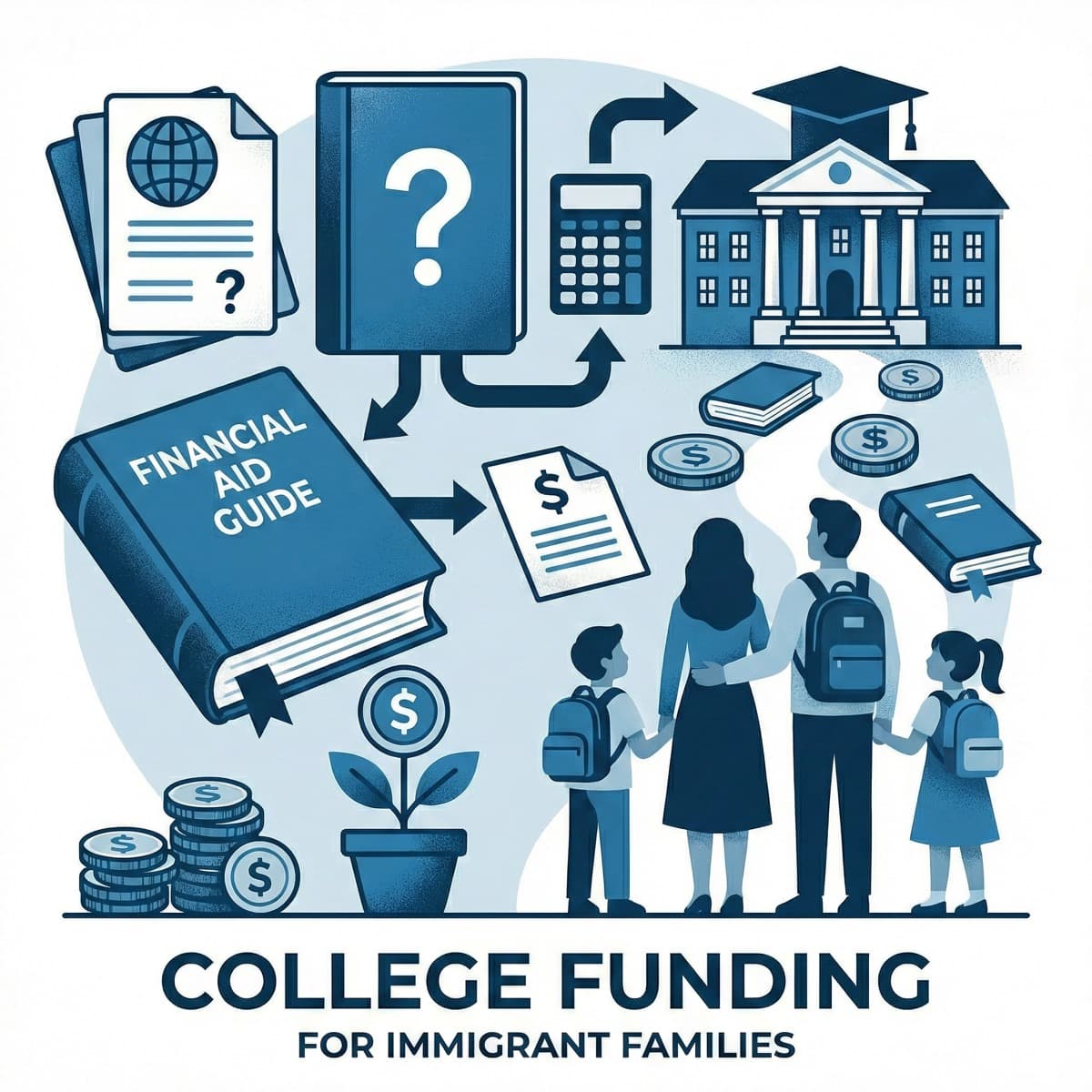
- Paying for College as an Immigrant Family -- Balance retirement savings with your children's education costs.
- Smart Financial Habits for New Immigrants -- Build the foundation for long-term financial security.